Binding a quilt is something that many quilters avoid. It can be tricky and, at times, frustrating. I learned to bind a quilt by watching a series of YouTube videos. This was super helpful, but they didn’t explain the why. Why does this work?
Because I love math, I couldn’t leave it there.
Why does it work the way it does? Why does cutting the overlap to the width of the binding make it fit perfectly– every single time? Why does that diagonal seam make this go together so beautifully?
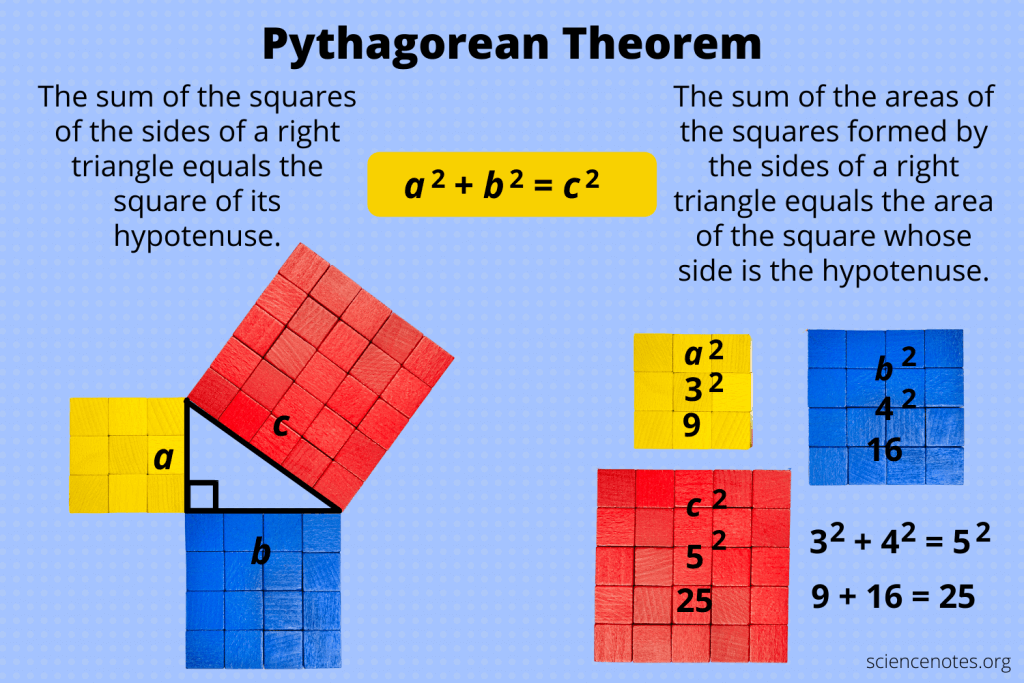
The answer is simple: Pythagoras.
When you join binding ends, you’re creating a right triangle. The diagonal seam follows the principles of the Pythagorean Theorem—a² + b² = c². That angled cut and seam distribute the fabric evenly, allowing the binding to lie flat and connect seamlessly.
Once I understood that, binding felt less like a mystery and more like a quiet collaboration between math and fabric.
And who helped me think this through? My daughter– who is not exactly a lover of math. We dusted off that high school geometry and discovered it can provide moments of delight for everyone. Math shows up in unexpected places, often when we least expect it.
Where might it be quietly waiting in your life, unnoticed?


 And Sew It Goes
Leave a reply to Charlene Roche Cancel reply